What is Marketing?
Marketing is more than just advertising or selling products. It is a complex set of strategies and tactics that aim to identify, anticipate, and satisfy consumer needs and wants. Simply put, marketing is the art and science of creating value for the customer, and in return, getting value for the company. Understanding what marketing is is critical for any business that wants to grow and thrive in today's competitive marketplace. Through market research, data analysis, and careful planning, marketing enables companies to connect with their customers in meaningful and effective ways.
The heart of marketing lies in its ability to understand consumer behavior. This involves studying market trends, analyzing customer demographic, psychographic, and behavioral data, and using this information to develop products or services that meet exactly what the market demands. The definition of marketing also includes customer relationship management, brand building, communication through various channels (online and offline), and continuous adaptation to changing market conditions.
In today's digital age, marketing has evolved further to include new technologies and digital platforms such as social media, e-commerce, and big data analytics. These tools offer unprecedented opportunities to reach wider audiences, tailor offers to individual customer preferences, and accurately measure the effectiveness of marketing campaigns. However, regardless of technological changes, the fundamental principle remains the same: creating genuine value for customers is the key to building lasting and sustainable relationships.
Definition of Marketing
Marketing is more than just selling or promoting products. It is a complex set of activities and strategies designed to understand and meet market needs. The definition of marketing may vary, but at its core, marketing is about creating, communicating and delivering value to customers and managing relationships with them in a way that benefits the organization and its stakeholders.
Philip Kotler, one of the founding fathers of modern marketing, defines it as "the social and managerial process by which individuals and groups obtain what they need and want through creating, offering, and exchanging valuable products with others." This definition highlights the importance of the relationship between company and customer, emphasizing that success in marketing depends on how effectively a company can understand and respond to the needs of its customers.
The American Marketing Association (AMA) offers an equally relevant definition: "Marketing is the activity, set of institutions and processes to create, communicate, distribute and exchange offerings that have value to customers, partners and society at large." This approach highlights the importance of cooperation among different stakeholders in achieving common goals.
In summary, marketing is a dynamic discipline that requires constant adaptation to changing market conditions. It includes market research, product development, pricing strategy, promotion and distribution. To succeed in today's competitive world, companies must be prepared to continuously innovate their marketing strategies to stay relevant and attract new customers. It is not just about selling but about creating meaningful experiences that build long-term loyalty.
Definition according to the AMA and Philip Kotler
Marketing is a dynamic and ever-evolving discipline. To fully understand it, it is useful to start with the definitions provided by two of the most respected authorities in the field: the American Marketing Association (AMA) and Philip Kotler. According to the AMA, marketing is "the activity, set of institutions, and processes to create, communicate, deliver, and exchange offerings that have value to customers, partners, and society at large." This definition highlights the importance of value and the exchange process as central elements of marketing.
Philip Kotler, often referred to as the father of modern marketing, expands this view by stating that marketing is "the social and managerial process by which individuals and groups obtain what they need and want through the creation, supply, and exchange of valuable products with others." Kotler emphasizes not only the economic but also the social aspects of marketing, stressing that success depends on the ability to understand consumers' needs and meet them effectively.
These definitions reflect a holistic approach to marketing that goes beyond simply selling products or services. It is about building lasting relationships based on mutual trust and shared value. In an increasingly digital and interconnected world, companies must be nimble and innovative to respond to changing consumer needs. Investing in an in-depth understanding of the fundamental definitions of marketing can help companies develop strategies that are more effective and suited to the contemporary environment.
History and evolution of marketing
Marketing has deep roots dating back to antiquity, when merchants used rudimentary techniques to promote and sell their products. However, it was in the 20th century that marketing began to evolve as a structured discipline. In the 1950s, with the advent of mass production and the growth of consumption, marketing focused primarily on the distribution and promotion of products through traditional media such as print, radio, and television. In the 1960s and 1970s, thanks to the studies of experts such as Philip Kotler, marketing also began to consider the psychological and behavioral aspects of consumers. Fundamental concepts such as the marketing mix of the 4Ps (Product, Price, Point of Sale and Promotion) were developed, which are still the foundations of strategic planning today. With the advent of the Internet in the 1990s, the marketing landscape changed dramatically. The ability to reach a global audience directly and inexpensively opened up new opportunities for companies. New strategies such as email marketing, online advertising, and search engine optimization (SEO) were born. In the 21st century, with the explosion of social media and digital platforms, marketing has become even more dynamic and interactive. Strategies such as content marketing, influencer marketing and social media marketing have revolutionized the way companies communicate with their customers. Today, marketing is a complex and evolving discipline that requires multidisciplinary skills. The focus has shifted toward personalizing offerings and the customer experience, using advanced data analytics technologies to make informed decisions and measure the effectiveness of campaigns. In this dynamic environment, staying up-to-date on the latest trends is critical for any industry professional.
Marketing Planning: from Strategy to Action
Marketing planning is the beating heart of any successful strategy. It is not enough to have a good idea; one must know how to turn it into concrete action. This process requires careful analysis of the market, clear definition of objectives, and identification of the necessary resources. It is essential to start with a solid strategy that outlines the steps to be followed to reach the target audience and meet their specific needs. Planning needs to be detailed, but also flexible in order to adapt to changes in the market and new opportunities that may emerge.
One of the first steps in marketing planning is market research. This step allows you to gather valuable information about competitors, industry trends, and consumer preferences. With this data in hand, a strategy can be developed that not only meets market needs but also anticipates future trends.
Next, it is crucial to establish SMART (Specific, Measurable, Achievable, Relevant, and Timed) goals. These goals will guide all subsequent actions and allow the success of the initiatives undertaken to be measured. The setting of objectives must be accompanied by a clear identification of the resources needed-both human and financial-to achieve them.
Once the strategy has been outlined and goals defined, it is time to take action. This means implementing the chosen tactics, constantly monitoring results and making any corrections to the initial plan. The ability to adapt quickly to new circumstances is what distinguishes good marketing planning from excellent.
In conclusion, marketing planning is not a static process but a dynamic and continuous one. It requires constant monitoring and the agility to make changes in real time. Only then will it be possible to turn a well-thought-out strategy into effective actions that lead to concrete results.
Structure of a Marketing Plan
Creating an effective marketing plan is essential to the success of any business. A well-structured plan not only helps you clearly define your goals, but also provides a detailed roadmap for achieving them. Here are the key elements that should be included in any marketing plan:
- Market analysis: Understanding the market in which you operate is critical. This includes competitor analysis, market segmentation and identifying the ideal target audience;
- SMART Goals: Goals should be Specific, Measurable, Achievable, Realistic and Time-bound. This approach allows you to monitor progress and make any adjustments along the way;
- Strategies and tactics: Define the strategies you will use to achieve your goals. These may include advertising campaigns, content marketing, social media marketing, email marketing, and other specific tactics;
- Operational Plan: Detail the daily activities needed to implement your strategies. Who will do what and when? This section should include an editorial calendar and timeline of activities;
- Budget: Make sure you have a clear budget for each planned activity. This will help you manage resources effectively and avoid waste;
- Metrics and measurement: Determine which metrics you will use to evaluate the success of your marketing initiatives. These may include KPIs such as conversion rate, ROI, web traffic and social media engagement;
- Review and Adaptation: A good marketing plan is not static; it should be reviewed regularly to adapt to new market trends and changes within the company itself.
By following this framework, you will be well equipped to create a solid marketing plan that can guide your business to success.
Marketing Mix: from 4Ps to 7Ps
The marketing mix is one of the fundamental tools for planning and executing marketing strategies. Traditionally, the marketing mix consisted of four elements, known as the 4Ps:
Product, Price, Point of Sale (Place) and Promotion. These elements represent the pillars on which any effective marketing strategy is based. However, with the evolution of the market and the growing importance of services, it has become necessary to expand this model to include three more P's: People, Processes and Physical Evidence (Physical Evidence). The "Product" element covers everything the company offers to the market to satisfy customer needs or desires. "Promotion" includes all activities that communicate the benefits of the product to consumers, such as advertising, public relations and sales promotion. "Price" represents the monetary value consumers have to pay to obtain the product, while "Point of Sale" concerns the channels through which the product is distributed to end consumers. With the addition of the new three P's, the importance of "People" involved in the service delivery process is recognized. This element emphasizes the need to have qualified and motivated staff to ensure a positive customer experience. "Processes" are the procedures and workflows that enable the company to deliver the service efficiently and effectively. Finally, "Physical Evidence" includes all the tangible elements that can influence the customer's perception of the service, such as the environment in which the service is offered or the tools used. Adopting a 7Ps approach enables service companies to develop more comprehensive and targeted strategies, thereby improving their competitiveness in the marketplace. In today's increasingly dynamic and competitive environment, the ability to continuously adapt and innovate is crucial to achieving success.
Digital Marketing Strategies
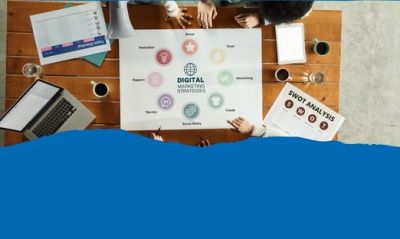
In today's landscape, digital marketing strategies are essential for any company that wishes to remain competitive and relevant. The key to success lies in the ability to adapt quickly to changes in technology and market trends. Digital marketing strategies include a variety of techniques and tools that can be used to effectively reach and engage target audiences. One of the most effective strategies is content marketing, which involves creating and sharing valuable content to attract and retain customers. This can include blogs, videos, infographics and white papers. Another key pillar is SEO (Search Engine Optimization), which improves website visibility on search engines through keyword and content optimization. Social Media Marketing is equally crucial, especially for small and medium-sized enterprises (SMEs). Using platforms such as Facebook, Instagram, LinkedIn and Twitter allows for a direct connection with customers, encouraging interaction and immediate feedback. In addition, social media advertising campaigns can be highly targeted due to the advanced targeting options offered by these platforms. Pay-per-click (PPC) advertising, such as Google Ads, is another powerful strategy that allows companies to reach potential customers exactly when they are searching for similar products or services. Finally, Email Marketing remains one of the most effective strategies for maintaining direct contact with existing customers, promoting new products or services, and building brand loyalty. Implementing these strategies requires careful planning and ongoing monitoring of results to constantly optimize campaigns. With the right approach, digital marketing can turn opportunities into concrete results.
Social Media Marketing for SMEs
Social media marketing represents a tremendous opportunity for small and medium-sized enterprises (SMEs) to reach a wide audience in a cost-effective and effective way. Platforms such as Facebook, Instagram, LinkedIn and Twitter make it possible to create authentic relationships with customers, promote products and services, and build a strong and recognizable brand identity. The key to success in social media marketing is consistency: posting relevant, quality content on a regular basis, interacting with followers, and responding to comments and questions quickly. SMEs are advised to start by clearly defining their goals: increase brand visibility, generate leads, increase sales or improve customer service. Once the goals have been established, it is critical to identify the target audience and choose the social platforms best suited to reach them. For example, a B2B company might find LinkedIn more effective than Instagram. Creating interesting and diverse content is another crucial aspect. Using eye-catching images, engaging videos and persuasive text can make all the difference. In addition, taking advantage of platform features such as stories, live streaming and sponsored posts can greatly amplify the reach of messages. Don't forget the importance of data analytics: constantly monitoring performance metrics such as engagement rate, click-through rate (CTR) and conversions allows you to optimize strategies going forward. Finally, being authentic and showing the human side of the company helps create an emotional connection with the audience, an essential element in building a loyal community around the brand.
Goals and Measuring Success in Marketing
In the marketing world, setting clear and measurable goals is critical to ensuring the success of your initiatives. Marketing goals must be SMART: Specific, Measurable, Achievable, Relevant and Timed. This approach allows you to have a clear vision of what you want to achieve and how you intend to do it. For example, a SMART goal might be "increase web traffic by 20 percent in the next six months through targeted social media campaigns." Once goals have been set, the next step is to measure success.
Measuring success in marketing relies on specific metrics and advanced analytical tools. Key metrics can include conversion rate, return on investment (ROI), cost per acquisition (CPA) and social media engagement. Tools such as Google Analytics, SEMrush and HubSpot can provide you with detailed data on the performance of your campaigns. It's not just about collecting data, but interpreting it correctly to make informed decisions.
Another crucial aspect is comparative analysis or benchmarking, which allows you to compare your performance with that of your competitors or industry standards. This gives you a realistic picture of your strong positions and areas in which to improve. In addition, customer feedback through surveys, reviews and social media interactions can offer valuable qualitative insights into perceptions of your brand.
Remember that marketing is not an exact science; it requires constant adaptation and optimization. Periodically analyzing results allows you to adjust strategies in real time, thereby maximizing opportunities for success. With a winning combination of clear objectives and accurate performance measurement, you can turn every campaign into a growth engine for your business.